Expert guides, tips, and techniques to master every aspect of sourdough baking. From basics to advanced methods.
Beginner Guide
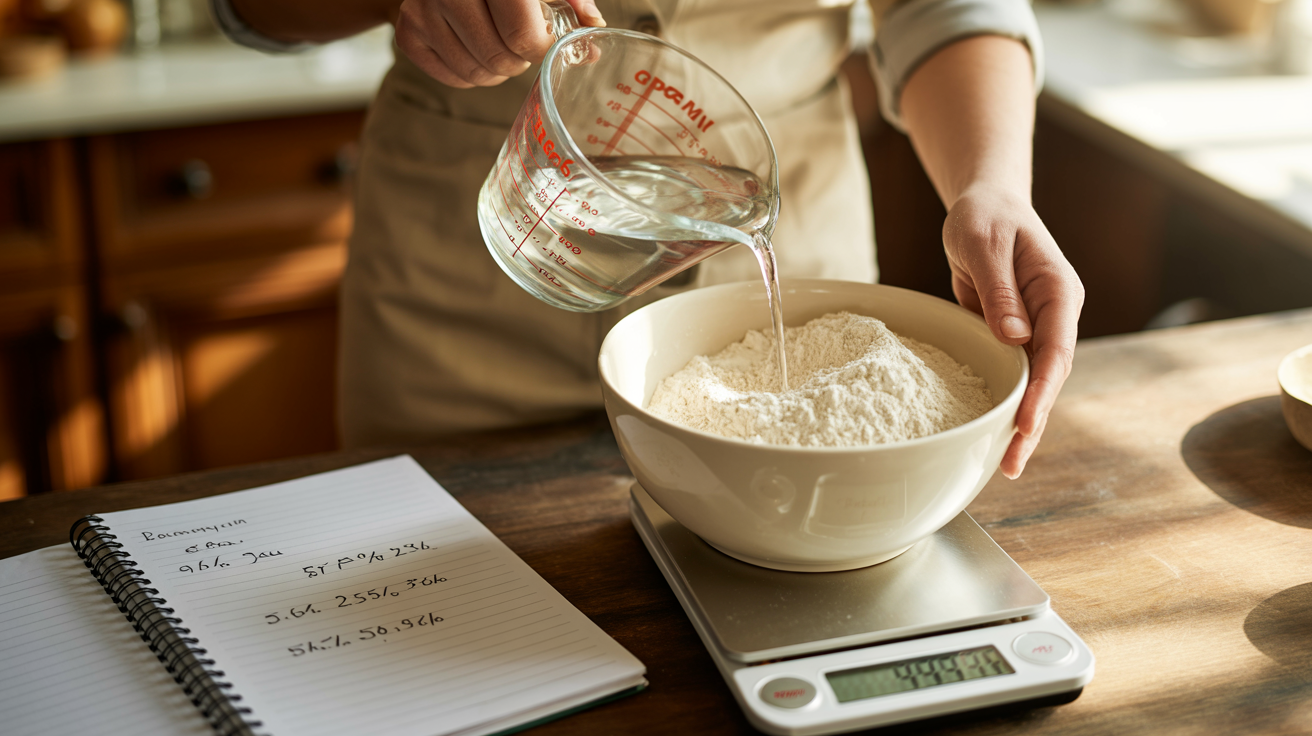
How to Calculate Sourdough Hydration: A Beginner's Guide
Learn the exact formula for calculating hydration percentage and understand how it affects your bread's texture, crust, and flavor.
April 15, 2024
8 min read
Baker's Math
Baker's Percentage Explained: Master the Math Behind Sourdough
Discover the baker's percentage system and how it makes scaling recipes and maintaining consistency effortless.
April 12, 2024
10 min read
Starters
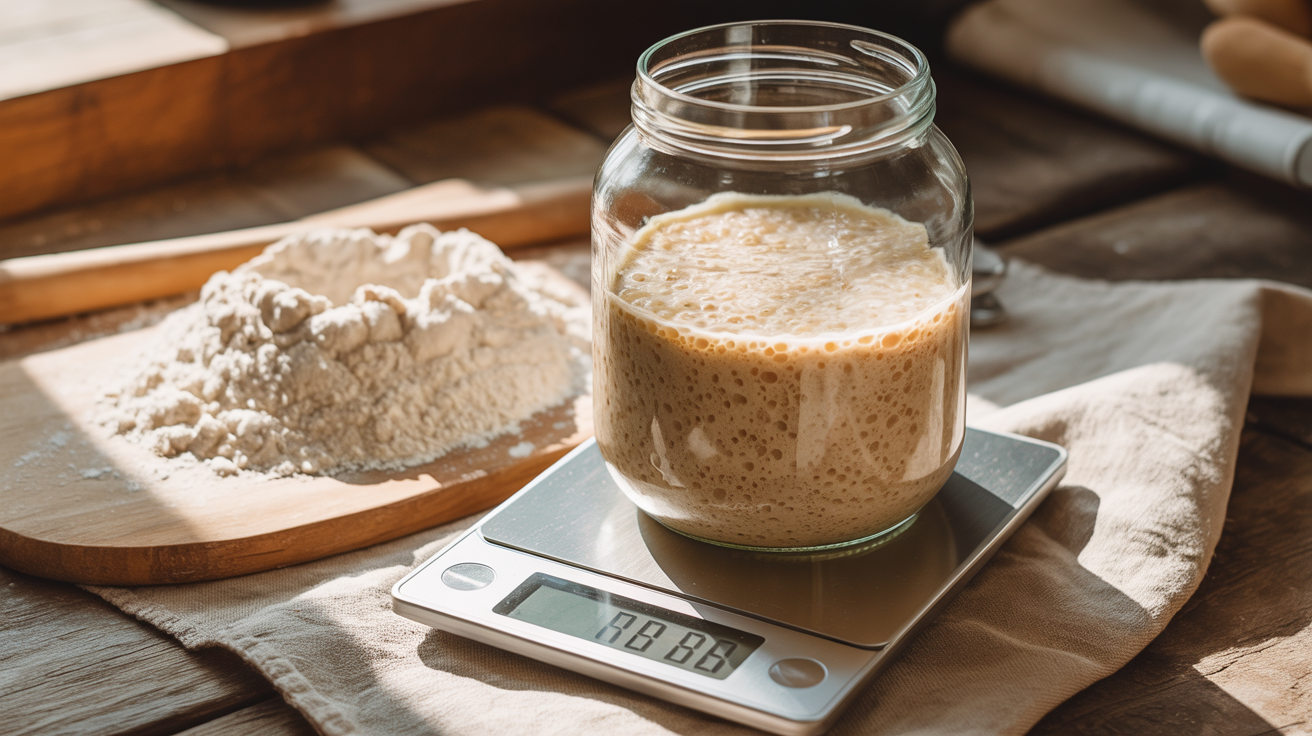
Sourdough Starter Ratio: Finding the Perfect Balance
Understand starter percentages and how different ratios affect fermentation speed, flavor development, and final results.
April 10, 2024
7 min read
Fermentation
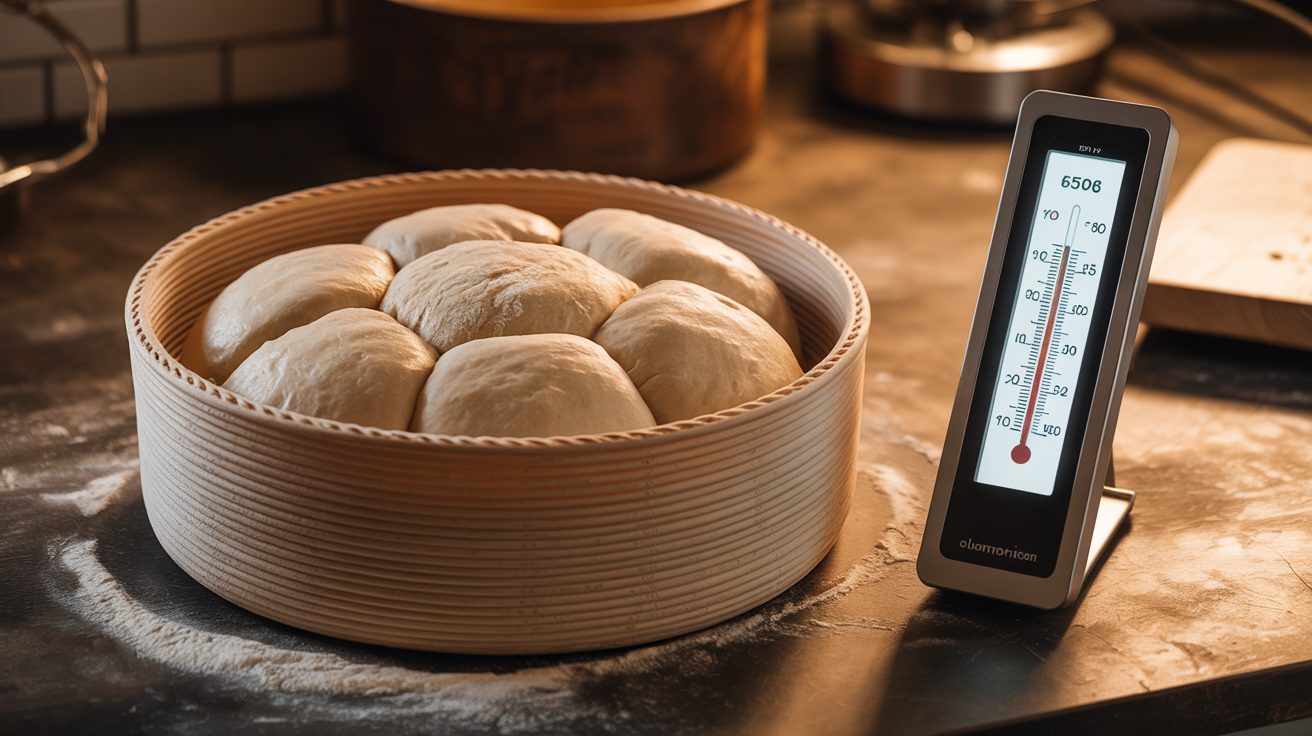
Fermentation Temperature Guide: Timing Your Sourdough Perfectly
Learn how temperature affects fermentation speed and get a complete guide to timing your bulk and final proofs.
April 8, 2024
9 min read
Technical
Sourdough Hydration Percentage: 60% to 150% Explained
Complete guide to understanding hydration ranges and how different percentages impact your sourdough characteristics.
April 5, 2024
11 min read
Timing
Sourdough Bulk Fermentation Timing: Room Temperature Matters
Exact formulas for calculating bulk fermentation time based on your room temperature and desired dough development.
April 1, 2024
8 min read
Starters
Levain Hydration Explained: Managing Your Pre-Ferment
Understand levain hydration and how it affects fermentation activity and final dough hydration percentage.
March 28, 2024
7 min read
Technical
Desired Dough Temperature: The Key to Consistent Sourdough
Learn how to calculate and control dough temperature for predictable fermentation and consistent results every time.
March 25, 2024
9 min read
Tools
Using Our Sourdough Recipe Calculator: Step-by-Step
Complete guide to using our free calculator for scaling recipes, experimenting with hydration, and saving your favorites.
March 22, 2024
6 min read
Troubleshooting
Sourdough Troubleshooting: Solve Your Baking Problems
Solutions for common issues like dense crumb, too much sourness, weak oven spring, and sticky dough.
March 20, 2024
12 min read
Starter Care
1:1:1 Sourdough Starter Feeding Ratio Explained
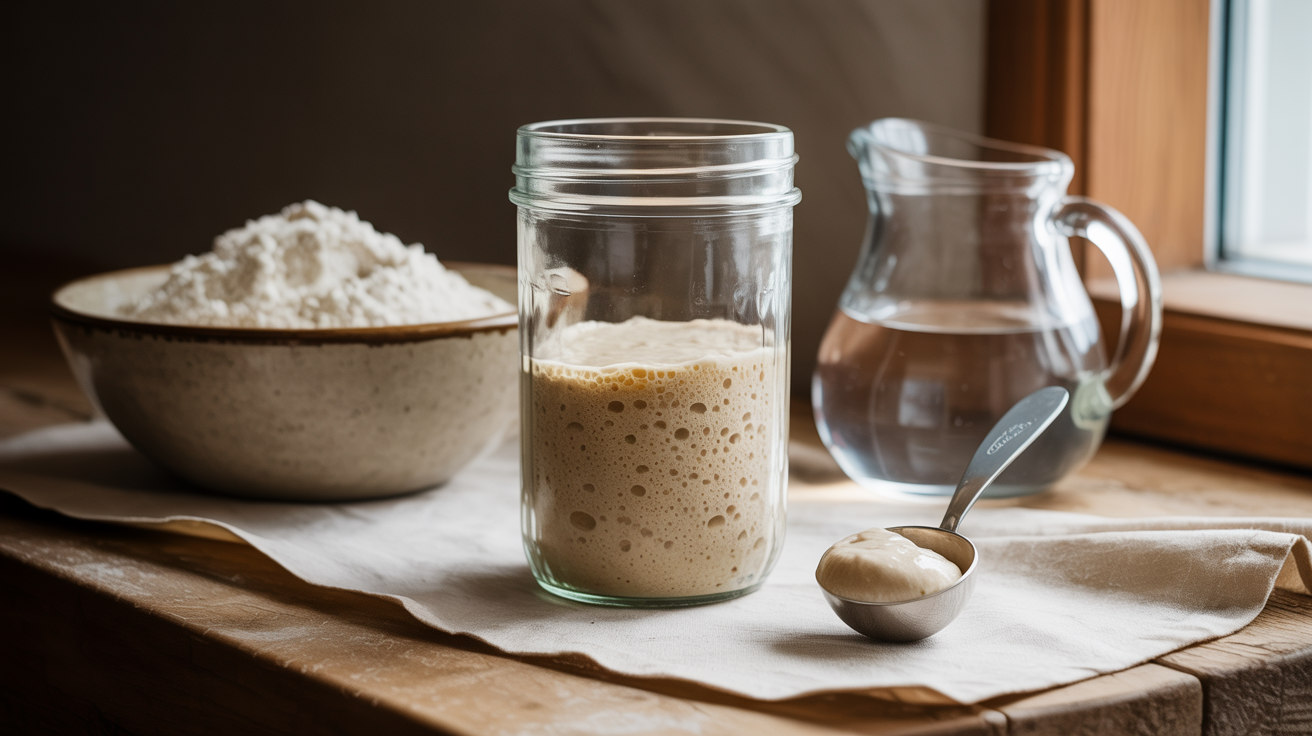
A 1:1:1 feeding ratio means equal weights of starter, flour, and water. Learn when to use it, how to time it, and why it’s the go-to ratio for daily home bakers.
April 21, 2026
7 min read
Starter Care
1:2:2 vs 1:3:3 Sourdough Starter Feeding Ratios
The difference between a 1:2:2 and 1:3:3 feeding ratio is how long your starter stays usable. 1:2:2 peaks in 6–8 hours; 1:3:3 stretches that to 8–10 hours at room temperature.
April 21, 2026
8 min read
Starter Care
1:5:5 Sourdough Starter Feeding Ratio: The Overnight Method
A 1:5:5 feeding ratio is the overnight baker’s secret weapon. Learn why it peaks at 10–14 hours, how it shapes flavour, and when to pick it over 1:1:1 or 1:2:2.